
Top Solar Agriculture Mounting System Supplier Guide: Optimize Your Farm's Energy Efficiency
2026-02-03
In today's agricultural landscape, optimizing energy efficiency isn't just an option—it's a necessity for sustainable farming. As solar technology revolutionizes how farms power their operations, choosing the right mounting system can make all the difference. This guide delves into the top solar agriculture mounting systems, offering insights to help you maximize your farm's energy output and reduce operational costs. At the forefront of this innovation is Energet Solar, a leader in providing cutting-edge solutions tailored for agricultural needs. Whether you're looking to enhance your energy independence or simply curious about the latest advancements, this article will equip you with the knowledge to make informed decisions. Let's explore how the right system can transform your farm's energy landscape.
Exploring the Benefits of Solar Agriculture Mounting Systems
The integration of solar agriculture mounting systems allows farmers to maximize land use by co-locating solar panels with crops or livestock. These systems are designed with adjustable mounts that optimize panel angles for sunlight exposure while ensuring adequate space below for agricultural activities. This dual-purpose approach not only increases energy self-sufficiency on farms but also protects crops from extreme weather, creating a more resilient farming ecosystem. By reducing reliance on external power grids, farmers can cut operational costs and invest more in sustainable practices.
Many farmers have found that these systems improve soil health and water management. The partial shade provided by the panels can reduce evaporation, helping retain moisture in the soil and lowering irrigation needs. This is especially beneficial in arid regions where water scarcity is a challenge. Additionally, the structures can be customized to support climbing plants or provide shelter for animals, fostering biodiversity. As a result, farms become more productive and environmentally friendly, with long-term benefits extending beyond just energy savings.
The financial incentives and durability of these mounting systems make them an attractive investment for agricultural businesses. With modular designs, they can be easily expanded or adapted to different farm layouts, offering flexibility as needs change. This adaptability supports farm growth without compromising on efficiency, encouraging more landowners to adopt renewable energy solutions. Ultimately, embracing solar agriculture systems paves the way for a greener, more economically stable future in farming.
Key Features to Consider When Choosing a Mounting Supplier
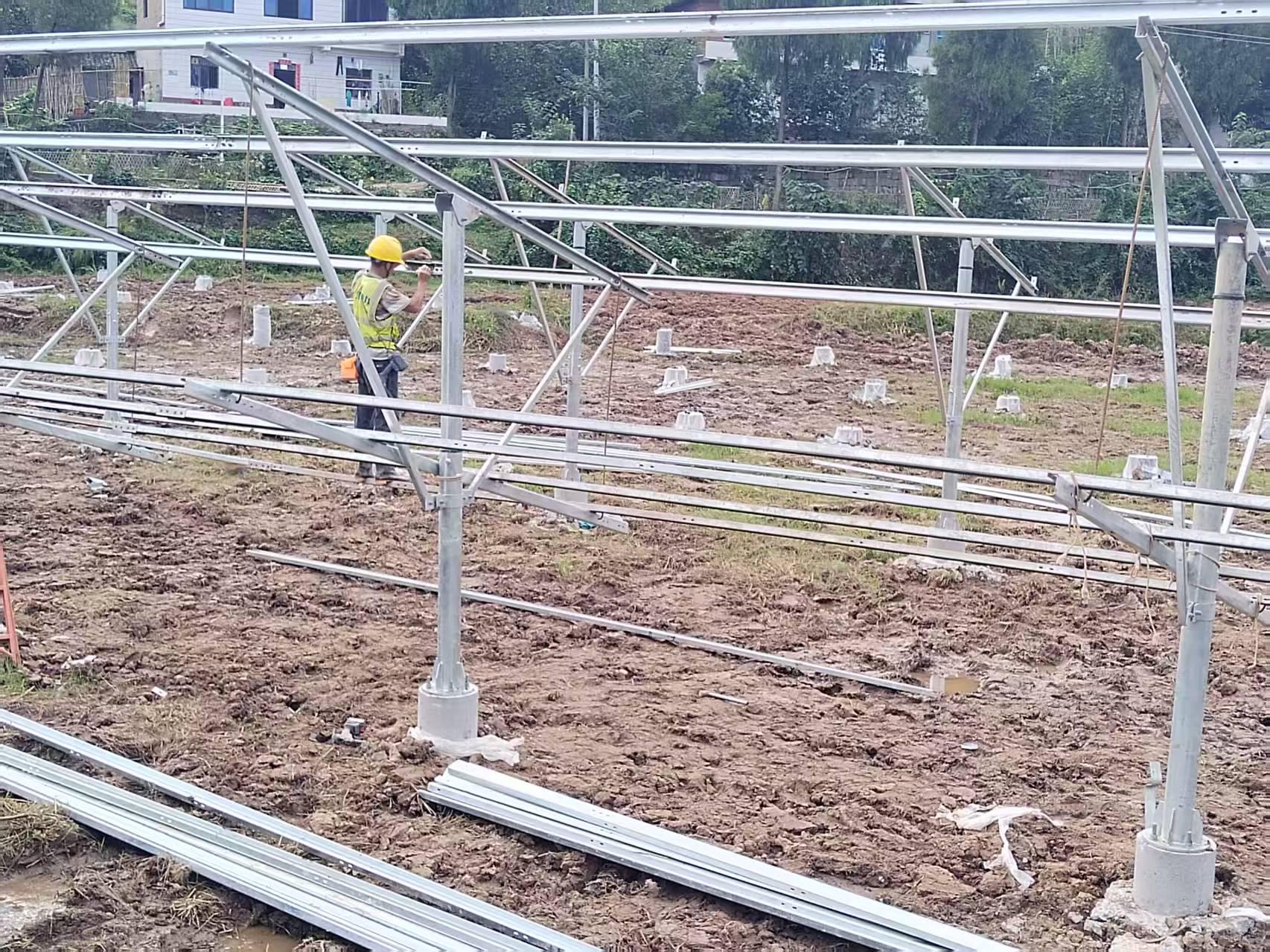
When selecting a mounting supplier, it's crucial to look beyond basic price quotes and delivery times. A reliable partner should offer robust customisation options, ensuring that every bracket, clip, or holder fits your specific product dimensions and materials perfectly. Don't settle for off-the-shelf solutions that might compromise stability or aesthetics; instead, prioritise suppliers who excel in rapid prototyping and iterative design adjustments, which can save you from costly revisions down the line. This proactive approach helps avoid compatibility issues that often arise with generic mounting systems.
Another key aspect is the supplier's track record in quality control and material sourcing. Opt for companies that transparently share details about their manufacturing processes, such as stress-testing procedures for load-bearing components or certifications for weather-resistant finishes. It's worth asking how they handle material inconsistencies or batch variations, as these can affect the longevity and safety of your installations. By choosing a supplier with stringent quality checks, you're not just buying hardware—you're investing in peace of mind and reduced warranty claims.
Finally, consider the supplier's adaptability to evolving industry trends and your own business growth. A forward-thinking mounting supplier stays updated on innovations like modular designs for easy upgrades or eco-friendly materials that align with sustainability goals. They should also demonstrate flexibility in scaling production to meet fluctuating demands without sacrificing craftsmanship. Building a relationship with such a dynamic partner ensures your mounting solutions remain relevant and efficient, giving your products a competitive edge in the market.
How to Assess Compatibility with Your Farm's Layout and Operations
When evaluating whether new equipment or practices align with your farm's setup, start by taking a close look at your current operations. Walk through your fields and buildings, noting the physical spaces, soil types, and existing workflows. Consider how changes might impact daily tasks—like whether a larger machine will fit through gates or if a new irrigation system requires rerouting existing lines. This hands-on assessment helps spot potential issues early, ensuring smooth integration.
Beyond the physical layout, compatibility hinges on your operational rhythm. Think about how seasonal demands and labor availability affect your farm. For instance, introducing a high-tech tool might streamline harvests but could require specialized training that strains your team during busy periods. Tailoring solutions to fit both your land's unique characteristics and your management style ensures they enhance efficiency without creating new bottlenecks or disrupting established routines.
Ultimately, assessing compatibility is about balancing innovation with practicality. Test small-scale versions or consult with peers who've implemented similar changes to see how they performed in real-world conditions. This proactive approach minimizes risks and helps you adapt new elements seamlessly, making your farm more resilient and productive over time.
Innovations in Mounting Technology for Enhanced Durability
Mounting technology has evolved significantly in recent years to address the growing demands for durability in various industries, from construction to electronics. Innovations include the development of advanced adhesive systems that offer stronger bonds and better resistance to environmental stressors, such as temperature fluctuations and moisture. This shift from traditional mechanical fasteners to sophisticated bonding solutions not only enhances structural integrity but also reduces the risk of wear and tear over time, ensuring that components remain securely in place for longer periods.
Strategies for Maximizing Energy Output and Cost Savings
To truly boost energy output while trimming expenses, it's essential to adopt a dynamic approach rather than relying on outdated, one-size-fits-all solutions. Start by conducting a detailed energy audit to pinpoint exactly where your current system might be leaking efficiency, such as through outdated equipment or operational inefficiencies. From there, consider integrating smart technologies like IoT sensors and AI-driven analytics that continuously monitor and adjust energy consumption in real-time. This not only optimizes output but also reduces waste, leading to significant cost reductions over time. Tailor these strategies to your specific operational needs—whether it's a manufacturing plant or an office building—to ensure they're both practical and impactful.
Another effective strategy is to diversify your energy sources by incorporating renewable options such as solar panels or wind turbines, which can enhance overall energy resilience and output. Pair this with energy storage systems like advanced batteries to capture excess energy during peak production times, using it later when demand is high. This dual approach minimizes reliance on grid power, slashing utility bills and providing more control over energy costs. Additionally, implement demand-side management by shifting non-essential operations to off-peak hours, taking advantage of lower rates and reducing strain on your energy infrastructure. By blending innovation with proactive planning, you create a holistic framework that consistently delivers higher energy yields and deeper savings.
Don't overlook the human element in maximizing energy efficiency—engage your team through training and incentives to foster a culture of energy consciousness. Simple behavioral changes, like turning off unused equipment or optimizing HVAC settings, can add up to substantial savings without major investments. Regularly review and adjust your strategies based on performance data to stay agile and responsive to changing conditions. This iterative process ensures that your approach evolves alongside technological advancements and market trends, keeping your operations lean and cost-effective. Ultimately, a well-rounded blend of technology, diversification, and human initiative forms a robust strategy for achieving both peak energy output and long-term financial sustainability.
Real-World Examples of Successful Solar Integration in Farms
Solar power is revolutionizing agriculture by providing farmers with reliable, cost-effective energy solutions. For instance, in California's Central Valley, the Anderson family farm installed a 500-kilowatt solar array on unused land, which now supplies all the electricity for their irrigation pumps and storage facilities. This system reduces their annual energy bills by over 60% and allows them to operate more sustainably, even during peak demand periods when grid power is expensive. By integrating solar panels, they've not only cut costs but also enhanced their farm's resilience to energy price fluctuations, demonstrating how renewable energy can directly support modern agricultural operations.
Another compelling example comes from a dairy farm in Wisconsin that paired solar panels with energy storage systems to power its milking machines and cooling equipment. This setup ensures continuous operation during power outages, which is critical for maintaining milk quality and animal welfare. The farm reports savings of $20,000 per year on electricity, and the solar installation has become a community attraction, inspiring neighboring farms to explore similar integrations. Such real-world applications highlight how solar technology can be tailored to specific farm needs, from livestock management to crop processing, offering both economic and environmental benefits without compromising productivity.
In Australia, a vineyard in the Barossa Valley has successfully integrated solar power to run its entire winemaking process, including crushing, fermentation, and bottling lines. By using a combination of rooftop and ground-mounted solar panels, the vineyard has achieved energy independence, reducing its carbon footprint by 80% while maintaining high-quality production standards. This example showcases the versatility of solar integration in agriculture, proving that even energy-intensive industries like winemaking can thrive on renewable sources, setting a benchmark for sustainable practices in the global farming sector.
FAQ
Solar agriculture mounting systems enhance energy efficiency by directly converting sunlight into electricity, reducing reliance on traditional power grids and lowering operational costs. These systems can also provide shade for crops, improving yield and protecting against extreme weather, while promoting sustainable farming practices through renewable energy use.
Agricultural solar mounting systems are specifically designed to withstand outdoor farming environments, often featuring durable, corrosion-resistant materials and flexible designs to accommodate uneven terrain or crop rotation. They typically prioritize height and angle adjustments to maximize sunlight exposure without interfering with farming machinery or plant growth, unlike more rigid residential or commercial installations.
Farmers should evaluate suppliers based on product durability, customization options, installation support, and warranty terms. It's important to consider the supplier's experience in agricultural applications, local climate adaptability, and cost-effectiveness to ensure the system integrates seamlessly with farm operations and delivers long-term energy savings.
Yes, many modern solar mounting systems are designed for easy integration with existing farm infrastructure. They can power irrigation pumps, lighting for storage areas, or other electrical equipment, often through modular setups that allow expansion as farm needs evolve, without disrupting daily activities.
Regular maintenance includes cleaning solar panels to remove dust or debris, checking for structural integrity and corrosion, and monitoring electrical connections. Most systems require minimal upkeep, but seasonal inspections and professional servicing can help maintain efficiency and extend the system's lifespan, especially in harsh farming conditions.
By harnessing solar energy, these systems reduce greenhouse gas emissions and fossil fuel dependence, contributing to carbon footprint reduction. They support biodiversity by minimizing land disruption compared to traditional energy sources, and promote water conservation when paired with efficient irrigation, aligning with eco-friendly farming goals.
Farmers may access government grants, tax credits, or rebates for renewable energy projects, depending on their region. Some suppliers offer financing plans or leasing options to reduce upfront costs, and energy savings over time can offset initial investments, making solar systems a viable economic choice for many farms.
Conclusion
The guide "Top Solar Agriculture Mounting System Supplier Guide: Optimize Your Farm's Energy Efficiency" offers a comprehensive roadmap for farmers seeking to harness solar power effectively. It begins by exploring the benefits of these systems, highlighting how they can reduce energy costs, boost sustainability, and provide long-term financial returns. The guide then delves into key features to consider when choosing a supplier, such as durability, ease of installation, and after-sales support, ensuring that farms invest in reliable solutions that withstand harsh agricultural environments. By integrating insights on assessing compatibility with farm layouts and operations, it helps tailor systems to specific needs, maximizing space usage and minimizing disruption to daily activities. This holistic approach ensures that mounting systems are not just add-ons but integral components enhancing overall farm efficiency.
Moving forward, the guide emphasizes innovations in mounting technology that enhance durability, such as corrosion-resistant materials and adaptive designs for varied terrains. It outlines strategies for maximizing energy output and cost savings through optimal panel placement and efficient energy management. Real-world examples illustrate successful solar integration, showcasing how farms have achieved significant reductions in carbon footprints and operational expenses. By blending technical details with practical applications, the guide empowers farmers to make informed decisions, leading to smarter investments and greener futures. Ultimately, it serves as an invaluable resource for navigating the solar mounting landscape, turning energy challenges into opportunities for growth and resilience in modern agriculture.
Contact Us
Contact Person: Simon
Email: [email protected]
Tel/WhatsApp: 8613672181100
Website: https://energetsolar.com/
