
Top Dual-Pole Solar Mounting System Companies: Leading the Renewable Energy Revolution
2026-01-12
As the renewable energy landscape evolves, the efficiency and reliability of solar installations become paramount—especially for dual-pole mounting systems that maximize energy capture across diverse terrains. In the quest for sustainability, companies worldwide are innovating to lead this green revolution. Among them stands Energet Solar, a key player redefining industry standards with cutting-edge solutions. This blog explores the top dual-pole solar mounting system companies driving this transformation, offering insights into how they're shaping a cleaner future. Join us as we delve into the technologies and strategies that set these leaders apart, sparking curiosity about what's next in solar innovation.
Innovative Solutions for Dual-Pole Solar Installations
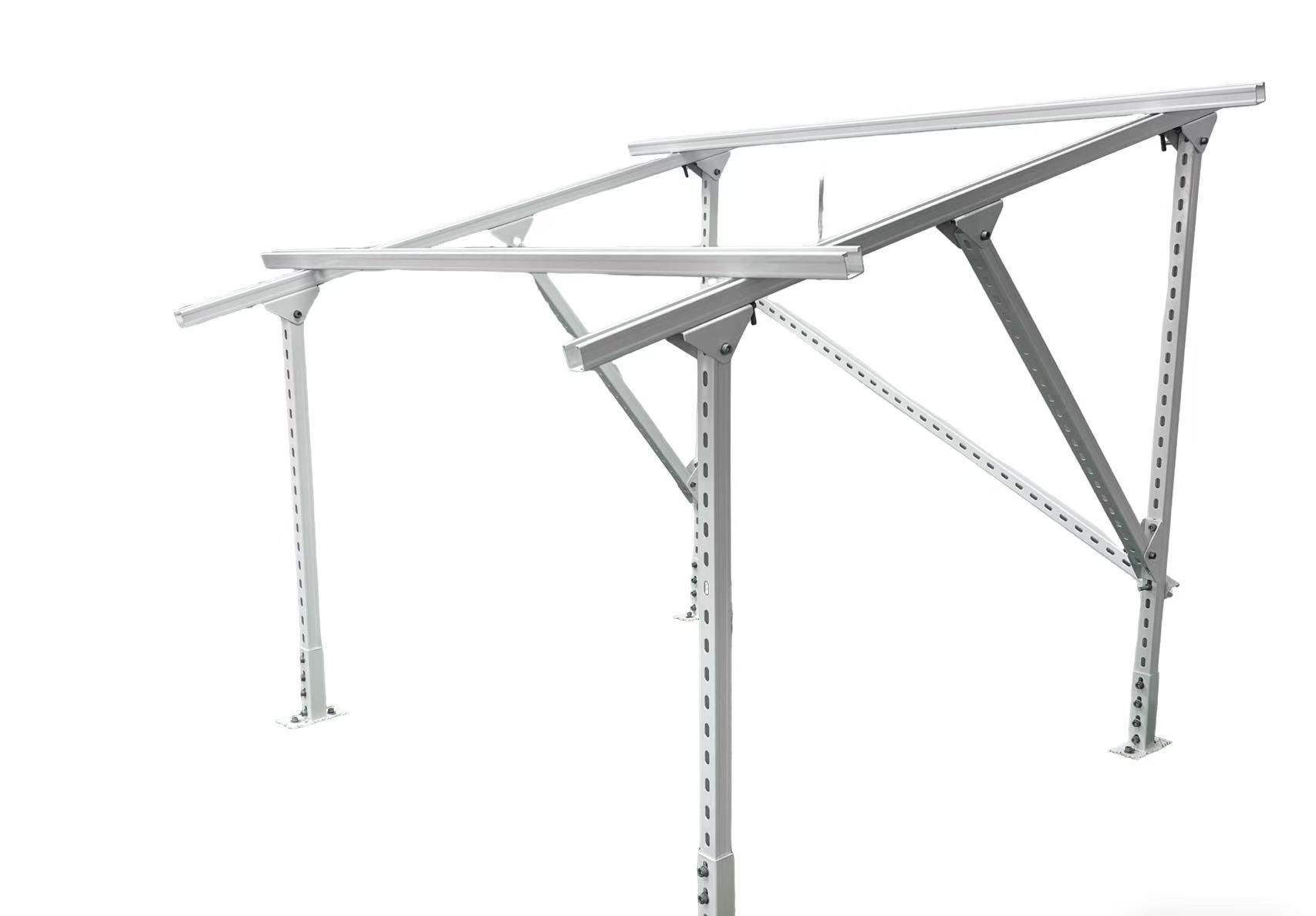
Dual-pole solar installations are gaining traction as a clever way to maximize energy output in constrained spaces, and the latest innovations are making them more efficient and versatile than ever. Traditionally, these setups rely on two poles to support solar panels, but new designs incorporate adjustable tilt mechanisms that allow for seasonal optimization without needing extensive ground or roof space. For instance, some systems now use smart tracking sensors that adjust panel angles throughout the day, capturing more sunlight during peak hours and significantly boosting overall electricity generation. This approach is particularly useful in urban areas or on properties with limited flat surfaces, offering a streamlined alternative to conventional solar farms.
Another breakthrough in dual-pole solutions involves the integration of bifacial solar panels, which can absorb light from both sides to enhance energy production. When installed on dual poles, these panels benefit from elevated positioning, reducing shading from nearby objects and allowing reflected light from the ground to be harnessed effectively. Recent models also feature lightweight, durable materials like aluminum composites, making installation quicker and more cost-effective while withstanding harsh weather conditions. By combining these elements, users can achieve higher yields with minimal environmental impact, setting a new standard for small-scale renewable energy projects.
Looking ahead, advancements in energy storage and smart grid compatibility are further transforming dual-pole installations. Modern systems often include built-in battery storage options, enabling energy capture during sunny periods for use at night or during cloudy days, which enhances reliability and reduces dependence on external power sources. Additionally, IoT-enabled monitoring tools allow for real-time performance tracking and automated maintenance alerts, ensuring optimal operation with minimal manual intervention. These innovations not only improve the practicality of dual-pole setups but also make solar power more accessible and efficient for diverse applications, from residential backyards to commercial sites.
Key Technologies Driving Industry Advancements
In recent years, industries across the globe have been transformed by a wave of innovative technologies, each playing a pivotal role in pushing boundaries and redefining operational norms. From artificial intelligence that enhances decision-making processes to blockchain ensuring secure and transparent transactions, these tools are not just add-ons but integral drivers of change. By automating routine tasks and enabling real-time data analysis, they empower businesses to adapt swiftly to market shifts, fostering environments where creativity and efficiency thrive simultaneously.
Moreover, the integration of the Internet of Things (IoT) and advanced robotics has revolutionized sectors like manufacturing and logistics, turning smart factories into hubs of interconnected machinery. This connectivity allows for predictive maintenance and optimized workflows, drastically reducing downtime and resource waste. Coupled with breakthroughs in renewable energy technologies, such as solar and wind power, industries are not only advancing in capability but also in sustainability, addressing pressing environmental challenges while maintaining economic competitiveness.
Beyond these, emerging fields like quantum computing and biotechnology are opening new frontiers, offering unprecedented computational power and medical innovations that could reshape entire industries. The synergy between these technologies often yields unexpected benefits, fostering collaborative ecosystems where cross-disciplinary applications lead to breakthroughs. Ultimately, the continuous evolution of key technologies ensures that industries remain dynamic and forward-thinking, ready to meet the demands of an ever-changing global landscape.
Top Market Players and Their Unique Offerings
When exploring the competitive landscape, standout players often distinguish themselves through innovative solutions that meet evolving customer needs. For example, some companies leverage proprietary technology to deliver unprecedented efficiency in supply chain management, while others focus on personalized customer experiences that build long-term loyalty. This dynamic environment fosters a continuous cycle of improvement, where leaders set benchmarks through unique offerings that others strive to match, driving overall market advancement and consumer benefit.
Delving deeper, the unique offerings of top market players can be categorized into several key areas: product innovation, service excellence, and strategic partnerships. In product innovation, firms might introduce cutting-edge features that redefine industry standards, such as integrating artificial intelligence for predictive analytics or sustainable materials that appeal to eco-conscious buyers. Service excellence, on the other hand, involves exceptional support, like 24/7 assistance or tailored advisory services, ensuring that customers feel valued and supported beyond the initial purchase.
Another aspect that sets apart market leaders is their ability to forge strategic alliances and expand into new niches, creating ecosystems that enhance customer value. By collaborating with complementary businesses or entering untapped markets, these players offer comprehensive solutions that address broader challenges. This holistic approach not only strengthens their market position but also provides customers with one-stop-shop experiences, making them indispensable in an increasingly interconnected world where convenience and integration are paramount.
Global Trends Shaping the Renewable Sector
The global renewable sector is experiencing dynamic shifts driven by technological innovation and policy changes. From solar panels to wind turbines, advancements are making clean energy more affordable and accessible worldwide. Countries are setting ambitious targets, pushing boundaries in storage solutions and smart grids.
Emerging trends include the rise of green hydrogen and decentralized energy systems, transforming how communities consume power. Investments flow into offshore wind and floating solar, unlocking new potentials. These movements signal a steady move toward sustainability, reshaping economic and environmental landscapes across continents.
Collaborations between governments and private sectors foster rapid growth, while consumer demand for green options accelerates adoption. The sector's resilience in facing challenges like supply chain disruptions highlights its pivotal role in future energy security and climate action strategies.
Customer-Centric Approaches in Product Design
At the heart of modern product design lies a profound shift towards truly understanding and valuing the user's journey. Instead of relying on assumptions, teams immerse themselves in the daily lives of customers through methods like contextual inquiries and empathy mapping. This deep dive reveals not just what users say they want, but unspoken needs and pain points that can spark innovative solutions. By keeping the customer's voice central from ideation to iteration, products evolve organically to solve real problems, fostering a sense of connection and loyalty that generic offerings often miss.
One standout approach involves co-creation sessions where designers collaborate directly with end-users during development phases. This hands-on interaction allows for immediate feedback loops, refining features in real-time based on authentic reactions rather than delayed surveys. It transforms users from passive recipients into active contributors, ensuring the final product aligns closely with their expectations and workflows. Such inclusivity not only enhances usability but also builds community around the product, as customers feel invested in its success from the ground up.
Beyond initial design, a customer-centric mindset extends to continuous learning post-launch. Teams monitor usage data and engage in ongoing dialogue through support channels and user forums, treating every interaction as a learning opportunity. This iterative process helps adapt products to changing needs over time, making them more resilient and relevant. By prioritizing long-term relationships over short-term sales, companies can cultivate a reputation for responsiveness, turning satisfied users into vocal advocates who drive organic growth through genuine word-of-mouth.
Future Prospects and Expansion Opportunities
The future holds significant potential for growth and innovation, with opportunities emerging in untapped markets and evolving consumer demands. By leveraging advanced technologies and strategic partnerships, we aim to expand our reach and enhance our product offerings, ensuring sustained growth in a competitive landscape.
Diversification into new geographic regions presents a key avenue for expansion, allowing us to adapt to local preferences and regulatory environments. This approach not only mitigates risks associated with market saturation but also fosters community engagement and brand loyalty, paving the way for long-term success.
Additionally, continuous investment in research and development will drive product innovation, enabling us to stay ahead of industry trends and meet the changing needs of our customers. Embracing sustainable practices and digital transformation further positions us for scalable opportunities, creating a resilient framework for growth.
FAQ
Dual-pole solar mounting systems are structures that use two vertical poles to support solar panels, offering enhanced stability and adaptability for challenging terrains like uneven ground or high-wind areas. They are significant because they enable efficient solar energy installation in diverse environments, contributing to the expansion of renewable energy projects worldwide.
Leaders in this market include Unirac, IronRidge, and Schletter, known for their innovative designs and robust durability. These companies stand out by offering customizable solutions that cater to specific site conditions, ensuring higher energy yields and lower maintenance costs compared to standard mounting options.
Dual-pole systems generally have a higher initial cost due to their complex structure, but they provide better long-term efficiency by optimizing panel angles and reducing shading. This leads to increased energy production, making them a cost-effective choice for large-scale or difficult installations over time.
When choosing a provider, consider factors like material quality (e.g., corrosion-resistant aluminum or steel), engineering expertise for site-specific designs, warranty terms, and the company's track record in successful projects. Support services and compliance with local regulations are also crucial for seamless implementation.
Technological advancements, such as smart tracking systems and lightweight, durable materials, are enhancing the functionality of dual-pole mounts. Innovations like automated alignment for maximum sun exposure and integrated monitoring tools are making these systems more efficient and easier to maintain, driving growth in the renewable energy sector.
These systems play a vital role by facilitating solar energy deployment in previously inaccessible areas, such as remote regions or sites with soil instability. By increasing renewable energy capacity, they help reduce carbon emissions and support global efforts to transition to cleaner energy sources, aligning with sustainability targets like the Paris Agreement.
Conclusion
The article "Top Dual-Pole Solar Mounting System Companies: Leading the Renewable Energy Revolution" highlights how key players are transforming renewable energy through advanced dual-pole solutions. By focusing on innovative designs that enhance stability and adaptability across diverse terrains, these companies address critical installation challenges, particularly in high-wind regions or uneven landscapes. Their emphasis on key technologies like AI-driven optimization and durable materials drives industry advancements, ensuring systems are both efficient and resilient.
Market leaders differentiate themselves with unique offerings, from customizable configurations to integrated smart monitoring, while global trends like rising solar adoption and policy incentives fuel expansion. Customer-centric approaches, such as user-friendly installation and responsive support, are central to product design, fostering trust and satisfaction. Looking ahead, future prospects include tapping into emerging markets and leveraging digitalization for predictive maintenance, positioning dual-pole systems as a cornerstone of the ongoing renewable energy revolution with significant opportunities for growth and innovation.
Contact Us
Contact Person: Simon
Email: [email protected]
Tel/WhatsApp: 8613672181100
Website: https://energetsolar.com/
