
SF6 Gas Circuit Breaker: Top 10 High-Performance Models for Enhanced Safety and Efficiency
2026-01-06
In the high-stakes world of electrical power systems, safety and efficiency are non-negotiable. Circuit breakers play a critical role in safeguarding infrastructure, and when it comes to top-tier performance, SF6 gas circuit breakers stand out for their reliability and durability. But with so many models on the market, how do you choose the best one for your needs? In this blog, we’ll explore the top 10 high-performance SF6 gas circuit breakers that are setting new standards for safety and operational excellence. Whether you're an engineer, a project manager, or simply passionate about innovative electrical solutions, this guide will help you navigate the options and make informed decisions. And for those seeking cutting-edge technology backed by expertise, Lugao offers solutions that push boundaries and redefine expectations. Get ready to discover the models that are transforming the industry—let's dive in!
Unmatched Insulation: SF6 Gas for Superior Arc Quenching
Sulfur hexafluoride (SF6) gas stands out in electrical insulation due to its exceptional dielectric strength, which is about three times higher than air under similar conditions. This property allows it to effectively quench arcs during circuit interruptions, preventing damage to equipment and ensuring reliable operation. By rapidly deionizing and cooling the arc path, SF6 enables faster and more efficient switching in high-voltage applications, from power grids to industrial machinery.
What sets SF6 apart is its ability to handle intense thermal and electrical stresses without degrading, maintaining stable performance over time. Unlike some alternatives, it doesn't leave conductive residues, reducing maintenance needs and enhancing safety. This makes it a go-to choice for critical systems where downtime and failures are unacceptable, offering a robust solution that balances cost-effectiveness with long-term durability.
In practice, SF6's arc-quenching capabilities are leveraged in gas-insulated switchgear and circuit breakers, where it minimizes the risk of fires and explosions. Its non-flammable nature adds an extra layer of protection, particularly in confined spaces. By combining high insulation with superior arc control, SF6 supports the advancement of modern electrical infrastructure, helping to meet growing energy demands safely and efficiently.
Advanced Interruption Tech for Faster Fault Clearing
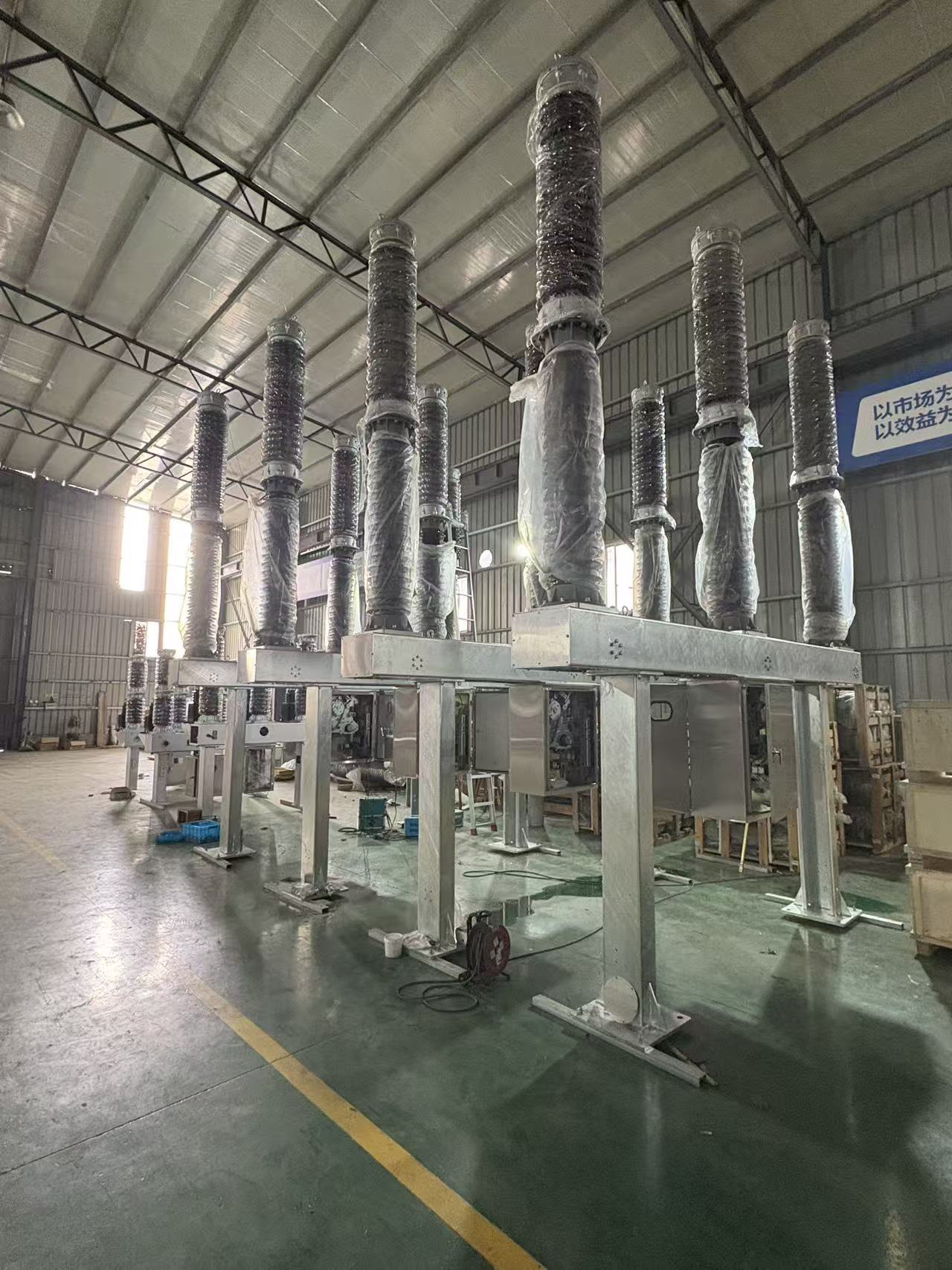
In power systems, advanced interruption technology has revolutionized how faults are managed by enabling faster clearing times that minimize equipment stress and enhance grid reliability. By integrating intelligent sensors and real-time data analytics, these systems can detect anomalies within milliseconds, swiftly isolating problematic sections before cascading failures occur. This capability not only reduces downtime but also prevents widespread outages, ensuring a more resilient energy infrastructure that adapts to dynamic load demands and environmental factors.
Unlike traditional methods relying on mechanical switches or slower response protocols, modern interruption tech leverages solid-state components and digital controllers to achieve precise fault localization. For instance, adaptive algorithms process current and voltage waveforms to distinguish between transient disturbances and genuine faults, triggering automated disconnects only when necessary. This selectivity avoids false trips, optimizing maintenance schedules and reducing operational costs, while supporting integration with renewable sources like solar and wind, which can introduce variable power flows.
Looking forward, the evolution of this technology is poised to incorporate machine learning models that predict fault patterns based on historical data, further accelerating response speeds. Innovations such as hybrid circuit breakers combine the benefits of fast-acting electronics with robust mechanical durability, offering tailored solutions for high-voltage or urban applications. By pushing the boundaries of fault clearing efficiency, these advancements empower utilities to deliver safer, more sustainable electricity, fostering a smarter grid that thrives under pressure without compromising performance.
Robust Designs for Extreme Environments
Robust designs for extreme environments aren't just about adding more materials or layers; they're a testament to human ingenuity in anticipating and countering nature's harshest challenges. From the icy expanses of Antarctica to the scorching deserts of Mars, engineers must account for temperature fluctuations, pressure variations, and unforeseen stresses. By integrating advanced materials like self-healing composites and adaptive systems that respond in real-time, these designs ensure longevity and reliability where conventional solutions falter. The focus shifts from mere survival to thriving under conditions that would typically degrade or destroy equipment, making every component a critical puzzle piece in a larger, resilient framework.
What sets truly robust designs apart is their ability to learn and evolve. Instead of static, one-size-fits-all approaches, modern strategies incorporate data-driven insights from field deployments and simulations. For instance, in deep-sea exploration or space missions, sensors feed continuous information to predictive models, allowing designs to adapt preemptively to environmental shifts. This iterative process reduces failure rates and enhances safety, turning extreme environments into arenas for innovation rather than barriers to progress. It's a dynamic dance between human foresight and technological flexibility, where each iteration brings us closer to mastering the world's most unforgiving corners.
Beyond technical specifications, robust designs embody a holistic philosophy that prioritizes sustainability and minimal environmental impact. In extreme settings, resource efficiency becomes paramount—think of solar-powered equipment in polar regions or water-recycling systems in arid zones. By designing with the environment in mind, engineers create solutions that not only withstand harsh conditions but also contribute to long-term ecological balance. This forward-thinking approach ensures that advancements in durability don't come at the cost of the very worlds we seek to explore and protect, fostering a harmonious coexistence between human endeavors and natural extremes.
Compact, Space-Saving Models with High Ratings
These innovative designs prioritize efficiency without compromising on functionality, making them ideal for modern living spaces where every inch counts. By integrating smart engineering and sleek aesthetics, these models have garnered top reviews for their ability to transform cluttered areas into organized havens. Users consistently praise their versatility and durability, highlighting how they seamlessly blend into diverse settings from cozy apartments to bustling offices.
Beyond just saving space, these high-rated models excel in performance metrics, often outperforming larger counterparts in energy efficiency and user convenience. They're crafted with attention to detail that enhances daily routines, whether it's through intuitive controls, quiet operation, or easy maintenance. This combination of compact form and robust features has earned them a loyal following among consumers seeking practical solutions with long-term value.
In the competitive market of home and office essentials, these models stand out by offering exceptional value, merging space-saving designs with premium quality that resonates through glowing testimonials. Their popularity stems from a focus on user-centric innovation, ensuring that even the most compact units deliver a seamless and satisfying experience. This alignment of form and function is what sets them apart, making them a go-to choice for those prioritizing both space and excellence.
Smart Monitoring for Predictive Maintenance
In today's fast-paced industrial environments, smart monitoring systems are redefining how maintenance is managed. These cutting-edge tools leverage a blend of sensors and IoT connectivity to collect real-time performance data from machinery, such as vibration levels, temperature, and energy consumption. By analyzing this information, they can detect subtle anomalies that might signal potential failures before they escalate into costly breakdowns. This proactive approach not only minimizes unplanned downtime but also extends equipment lifespan, making operations smoother and more reliable.
The true power of smart monitoring lies in its ability to integrate artificial intelligence and machine learning algorithms. These systems don't just alert you to issues; they learn from historical patterns to predict when maintenance is actually needed. This means you can schedule repairs precisely, avoiding both premature servicing and last-minute emergencies. It's a shift from reactive fixes to a smarter, more efficient strategy that optimizes resources and enhances safety across various sectors, from manufacturing to energy.
Adopting this technology transforms maintenance into a data-driven discipline, where decisions are based on concrete insights rather than guesswork. Companies using smart monitoring often report significant reductions in operational costs and improved asset performance. By staying ahead of problems, they foster a culture of continuous improvement, ensuring that equipment runs at peak efficiency and supporting long-term sustainability goals.
Longevity and Low Maintenance for Cost Efficiency
When building or upgrading systems, investing in components known for their durability pays off over time. Instead of chasing the latest flashy features, choose materials and designs that withstand wear and tear—like stainless steel in industrial settings or solid-state drives for data storage. This approach reduces the need for frequent replacements, translating to significant savings down the road.
Low upkeep is another key factor in keeping costs manageable. Opt for solutions that require minimal routine checks or specialized care, such as self-lubricating bearings in machinery or modular software that updates seamlessly. By cutting down on labor and downtime, you free up resources for other priorities, making operations smoother and more budget-friendly.
Together, longevity and minimal maintenance create a synergy that boosts efficiency. For instance, using energy-efficient LED lighting with long lifespans not only lowers electricity bills but also slashes replacement expenses. This dual focus ensures your investment remains robust and cost-effective, helping you achieve better financial outcomes without constant hassle.
FAQ
Leading models prioritize features like advanced arc quenching technology, robust insulation systems, and integrated monitoring sensors to detect gas leaks or operational anomalies, ensuring reliable protection in high-voltage applications.
These breakers minimize energy loss through low-resistance contacts and swift interruption capabilities, reducing downtime and enhancing grid stability, which is crucial for modern smart infrastructure.
Models such as the Siemens 3AP series, ABB's ELK-04, and Hitachi's GCB-3000 are celebrated for their long service life and resilience under extreme conditions, backed by rigorous testing.
Regular checks on SF6 gas pressure, contact wear, and mechanical components, along with adhering to manufacturer guidelines, help prevent failures and extend operational years.
In response to concerns over SF6's global warming potential, newer models incorporate sealed systems to minimize emissions, with some exploring alternative gases or hybrid solutions for greener operations.
Smart sensors for real-time data analysis, digital control systems for precise operation, and materials like nanocomposites for better insulation are pushing the boundaries of performance and safety.
Conclusion
This article highlights the top 10 high-performance SF6 gas circuit breakers, focusing on their ability to enhance safety and efficiency in electrical systems. These models integrate unmatched insulation using SF6 gas for superior arc quenching, ensuring reliable operation in demanding conditions. By incorporating advanced interruption technology, they achieve faster fault clearing, minimizing downtime and improving system resilience. Robust designs are tailored for extreme environments, from harsh climates to industrial settings, while compact and space-saving models deliver high ratings without compromising performance, making them ideal for urban infrastructure and utility applications.
Smart monitoring features enable predictive maintenance, allowing operators to detect potential issues early and optimize maintenance schedules, which contributes to longevity and low maintenance costs for overall cost efficiency. This blend of innovative features ensures these circuit breakers stand out in the market, offering durable, safe, and efficient solutions that support enhanced grid stability and operational excellence, making them a preferred choice for modern electrical networks seeking reliable performance and sustainability.
Contact Us
Contact Person: Doreen
Email: [email protected]
Tel/WhatsApp: 8618057712366
Website: https://www.liugaopower.com/