
Power Transformer Factory: Revolutionizing Energy Distribution with Cutting-Edge Technology
2025-12-28
In an era where energy efficiency is paramount, power transformers stand as the backbone of smart grids and sustainable systems. At Lugao, we're pushing the boundaries with our state-of-the-art factory, redefining how energy is distributed globally. Dive into this blog to explore how cutting-edge advancements are revolutionizing the industry, making power more reliable and accessible than ever. Click here to learn more about Lugao's commitment to innovation and find out what sets us apart in this transformative journey.
Innovative Manufacturing Processes for Enhanced Transformer Efficiency
Exploring new manufacturing methods has become crucial for boosting transformer efficiency. By refining core lamination techniques, manufacturers can now reduce eddy current losses significantly. This involves using advanced materials and precise assembly to minimize energy waste, leading to transformers that perform better under load.
Innovations like automated winding processes allow for tighter, more uniform coils, which enhance magnetic coupling and reduce resistive losses. Coupled with improved insulation materials, these methods not only increase efficiency but also extend the lifespan of transformers, making them more reliable in demanding applications.
Additionally, integrating 3D printing and additive manufacturing enables the creation of complex, custom-designed components that optimize heat dissipation and electromagnetic performance. These cutting-edge approaches are pushing the bounds of traditional design, offering tailored solutions for modern energy systems.
Key Technological Advancements in Modern Power Transformer Design
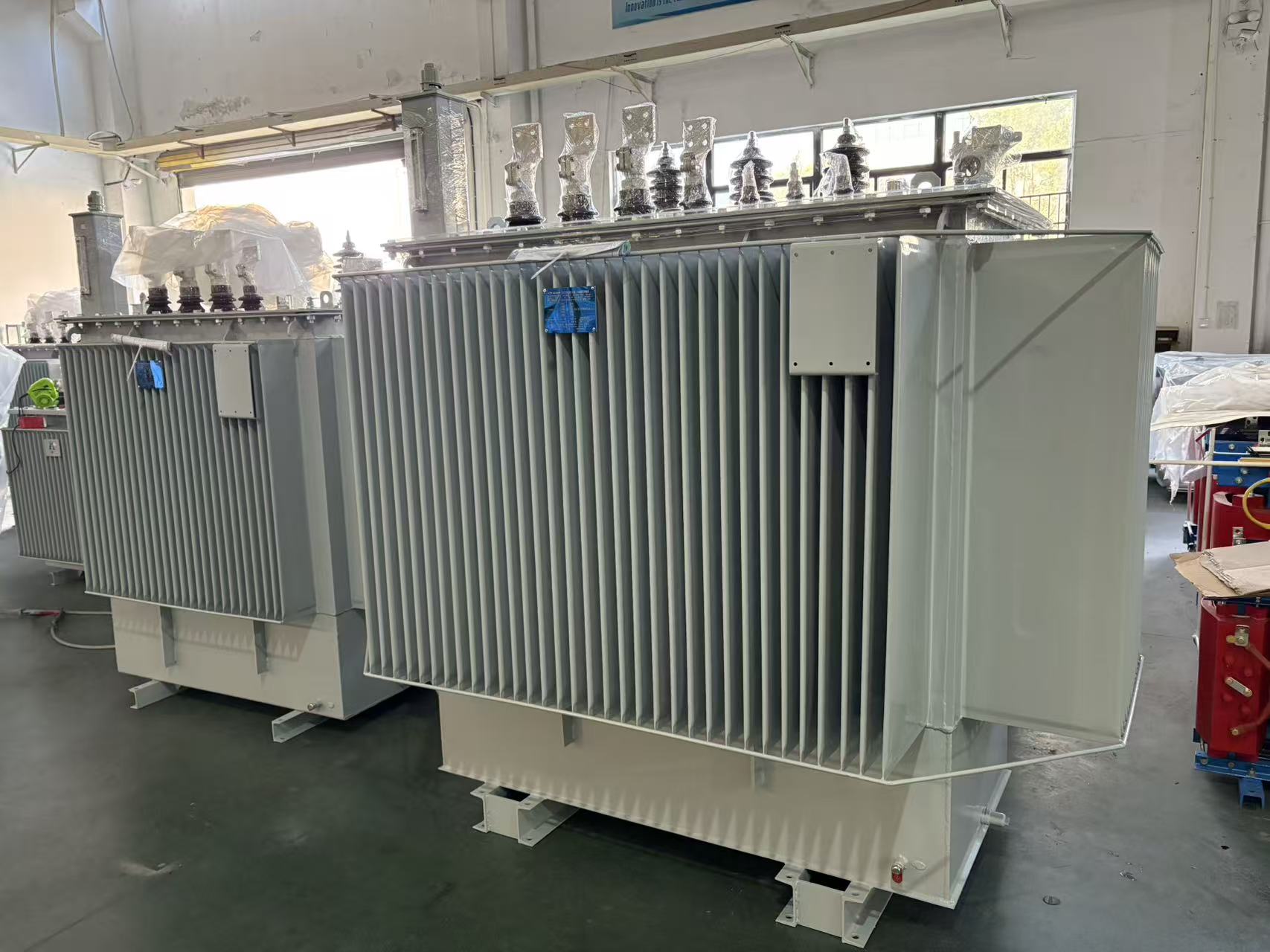
One of the standout innovations reshaping modern power transformers is the adoption of advanced insulation materials, such as thermally upgraded cellulose and synthetic polymers. These materials significantly enhance thermal stability and dielectric strength, allowing transformers to operate at higher capacities without risking breakdowns. This leap not only boosts efficiency but also extends equipment lifespan, making power grids more resilient in the face of fluctuating loads. It's a subtle yet profound shift that underscores the move toward smarter, more durable energy infrastructure.
Another key area of progress lies in the integration of digital monitoring systems, which incorporate IoT sensors and real-time analytics to track parameters like temperature, vibration, and oil quality. This enables predictive maintenance, slashing downtime and preventing costly failures before they occur. By moving beyond reactive repairs, utilities can optimize performance and reduce operational costs, transforming transformers from passive components into active nodes in a networked grid. It's a game-changer for reliability in an era of increasing renewable energy integration.
Furthermore, advancements in cooling technologies, such as forced-oil and advanced radiator designs, have revolutionized heat dissipation in high-power transformers. These methods efficiently manage thermal loads, preventing hotspots and ensuring consistent operation under extreme conditions. This not only supports the push for more compact, urban-friendly installations but also aligns with environmental goals by minimizing energy losses. It's a testament to how engineering ingenuity continues to refine these critical devices for a sustainable future.
Customizable Solutions for Diverse Energy Distribution Needs
In today's rapidly evolving energy landscape, businesses and communities face a wide array of distribution challenges, from managing grid fluctuations to integrating renewable sources like solar and wind. Our solutions are designed to be highly adaptable, allowing for tailored approaches that address specific geographic, regulatory, and operational requirements. Whether it's optimizing load balancing in urban areas or ensuring reliable power in remote locations, we focus on flexibility to meet each client's unique needs.
By leveraging advanced technologies such as smart meters and predictive analytics, we can create systems that not only respond to current demands but also anticipate future shifts in energy consumption. This proactive stance helps reduce inefficiencies and downtime, making energy distribution more resilient and cost-effective. Our team works closely with stakeholders to develop customized strategies that enhance sustainability and operational performance, ensuring that solutions are both practical and forward-thinking.
What sets our approach apart is the emphasis on collaboration and innovation, moving beyond one-size-fits-all models to deliver solutions that truly fit. From modular designs that scale with growth to integration with existing infrastructure, we prioritize seamless implementation and long-term value, empowering clients to navigate diverse energy needs with confidence and agility.
Sustainability and Eco-Friendly Practices in Transformer Production
In an era where environmental responsibility is no longer a buzzword but a necessity, transformer production is undergoing a transformative shift towards sustainability. Manufacturers are increasingly focusing on reducing their carbon footprint, which involves optimizing energy consumption during manufacturing processes and sourcing materials from eco-friendly suppliers. For instance, some companies are integrating renewable energy sources like solar or wind power into their factories, thereby slashing emissions and aligning production with global sustainability goals.
Beyond energy, the design of transformers themselves is being reimagined to enhance eco-friendliness. This includes using biodegradable or recyclable insulating oils and materials, which minimize toxic waste and facilitate easier disposal or repurposing at the end of a transformer's life cycle. Innovations such as dry-type transformers, which eliminate the need for oil, are gaining traction due to their lower environmental impact and reduced fire hazards, making them a safer, greener alternative in various applications.
Furthermore, the industry is embracing circular economy principles by implementing robust recycling programs. Old or decommissioned transformers are disassembled, with valuable components like copper and steel recovered and reused in new products. This not only conserves natural resources but also reduces landfill waste, fostering a sustainable loop that benefits both the environment and the economy. Companies that prioritize these practices are not only meeting regulatory standards but also building trust with environmentally conscious consumers and stakeholders.
Real-World Impact: Case Studies on Improved Grid Reliability
In recent years, utility companies and municipalities have faced increasing challenges from extreme weather events and aging infrastructure, which underscore the critical need for robust grid reliability. For instance, a utility in the Midwest implemented advanced sensor technology and machine learning algorithms to predict equipment failures before they occurred. This proactive approach not only prevented widespread outages during severe storms but also reduced maintenance costs by 15%, showcasing how innovation can directly enhance system resilience and customer satisfaction.
Another compelling example comes from a coastal region that frequently experiences hurricanes. By integrating microgrids with renewable energy sources like solar and battery storage, the local grid was able to maintain power to essential services such as hospitals and emergency shelters during a major hurricane. This case study highlights the tangible benefits of decentralized energy systems, where communities can achieve greater energy independence and reliability, even in the face of natural disasters that would traditionally cripple centralized grids.
Beyond technological upgrades, organizational changes have also played a pivotal role. In a collaborative effort between utility companies and government agencies, a pilot program in an urban area focused on real-time data sharing and coordinated response protocols. This initiative led to a 20% reduction in outage durations and improved communication with residents, demonstrating that human-centric strategies, combined with technical solutions, can significantly fortify grid reliability and build public trust in energy systems.
Future Trends and Research Directions in Transformer Technology
Transformer technology's evolution is rapidly pushing boundaries, with researchers increasingly focusing on efficiency to tackle challenges like excessive computational demands. Novel architectures, such as sparse attention mechanisms or mixture-of-experts models, are emerging to reduce memory usage and speed up inference, making deployments in resource-constrained environments more viable. Additionally, advancements in hardware acceleration and model distillation aim to scale transformers for real-time applications without sacrificing performance.
Looking ahead, the integration of transformers with other AI paradigms is a key trend, fostering hybrid approaches like transformers combined with reinforcement learning for more adaptive systems. This fusion could unlock new capabilities in areas such as autonomous decision-making or personalized content generation, moving beyond pure language tasks. Research is also delving into self-supervised and unsupervised learning to enhance transformer training, potentially reducing reliance on vast labeled datasets and promoting more robust generalization across domains.
Future directions likely include improved interpretability and robustness, as transformers become more embedded in critical systems. Efforts to explain model decisions and defend against adversarial attacks are gaining momentum, ensuring trust and reliability. Moreover, cross-modal transformers that process text, images, and audio simultaneously are set to revolutionize multimodal AI, opening avenues for richer, context-aware interactions in fields like healthcare, education, and entertainment.
FAQ
Modern factories are integrating advanced materials like amorphous metals and nanotechnology-based insulation, along with smart sensors and IoT connectivity, which enable real-time monitoring and predictive maintenance, fundamentally transforming grid efficiency and reliability.
By utilizing eco-friendly insulating fluids, such as biodegradable esters, and optimizing designs for reduced energy losses, these factories significantly lower carbon footprints and enhance recyclability, contributing to greener energy systems that align with global sustainability goals.
Automation, through robotics and AI-driven assembly lines, ensures precision in winding and core stacking, minimizes human error, and accelerates production, while adaptive systems allow for customization without sacrificing efficiency or quality.
Smart transformers, equipped with digital controls and communication interfaces, dynamically manage voltage and load fluctuations, support renewable energy integration, and quickly isolate faults, thereby preventing widespread outages and improving grid stability in diverse conditions.
Factories are developing transformers with higher voltage capacities and flexible designs that handle intermittent power from sources like solar and wind, incorporating features like on-load tap changers and advanced cooling systems to maintain reliability during variable generation.
Reduced energy losses and longer operational lifespans lead to lower operational costs for utilities, while improved grid efficiency translates to more stable electricity prices and fewer service interruptions, ultimately benefiting end-users through cost savings and enhanced reliability.
Adherence to standards like IEC and IEEE ensures safety, interoperability, and performance consistency, driving innovation by setting benchmarks that encourage factories to exceed minimum requirements and deliver more robust, globally-compatible products.
Conclusion
The Power Transformer Factory stands at the forefront of energy distribution innovation, leveraging cutting-edge technology to transform grid infrastructure globally. By integrating innovative manufacturing processes, the factory enhances transformer efficiency through advanced materials and precision engineering, significantly reducing energy losses during transmission. Key technological advancements, such as digital monitoring systems and smart grid compatibility, enable real-time performance optimization and predictive maintenance, ensuring robust and reliable operation. Furthermore, the factory offers customizable solutions tailored to diverse energy needs, from urban networks to remote installations, fostering adaptability in an evolving energy landscape.
Emphasizing sustainability, the factory adopts eco-friendly practices in production, including waste reduction, energy-efficient methods, and recyclable components, aligning with global environmental goals. Real-world impact is evident through case studies demonstrating improved grid reliability, with examples of reduced downtime and enhanced power quality in various regions. Looking ahead, future trends and research directions focus on integrating renewable energy sources, developing lightweight designs, and advancing AI-driven diagnostics, positioning the factory as a leader in next-generation transformer technology and a catalyst for smarter, greener energy systems worldwide.
Contact Us
Contact Person: Doreen
Email: [email protected]
Tel/WhatsApp: 8618057712366
Website: https://www.liugaopower.com/